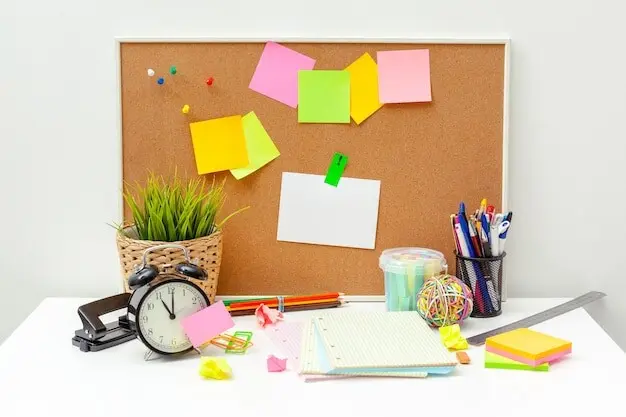
Write It Down, Make It Real
Today we dive into Analog Productivity with Paper Tools, celebrating notebooks, index cards, planners, and pens that turn wandering intentions into visible progress. Expect clear methods, lived stories, and field-tested rituals that quiet digital noise, sharpen attention, and honor craft. Bring a favorite notebook and curiosity; together we will map decisions, capture ideas, and build momentum one deliberate line at a time—simple, tactile, and endlessly renewable.
Why Paper Still Wins
Across classrooms and studios, handwriting slows thinking just enough to deepen understanding, while absence of notifications preserves fragile focus. Studies comparing laptop note‑taking with pen and paper show stronger conceptual recall when summarizing by hand, because selection, paraphrase, and drawing engage richer encoding. Add texture, margins, and the gentle friction of a favorite pen, and decisions surface more honestly; you notice priorities, pace yourself deliberately, and leave a readable trail your future self can trust.
Notebooks That Fit Your Day
Consider binding, page ruling, and durability. Threaded spines lay flatter for sketches; dot grids balance structure with freedom; numbered pages support indexing. If you commute by bike, a softcover may flex better. If you archive yearly, choose identical models to stack neatly and reference quickly.
Pens, Pencils, and Inks
Your handwriting changes with feel and feedback. Try needle-point gel for precise lists, fountain pens for expressive headers, or a humble pencil for erasable brainstorming. Keep one dependable everyday writer and one joyful accent color. Consistency reduces decisions, while small delight keeps pages inviting and alive.
Accessories That Earn Their Keep
Simple extras amplify clarity: binder clips corral index cards, a brass ruler straightens columns, washi tape flags recurring sections, and sticky notes stage temporary tasks. Store everything in one pouch. Frictionless setup encourages use, and a reliable home prevents lost fragments and half-finished ideas from drifting.
Systems That Stick
Methods give structure without rigidity when matched to your context. Rapid logging handles daily churn; context lists keep errands efficient; index-card slip-boxes grow ideas over months. Start simple, iterate weekly, and keep rules few. Your system should bend around life, not demand precision you cannot sustain.
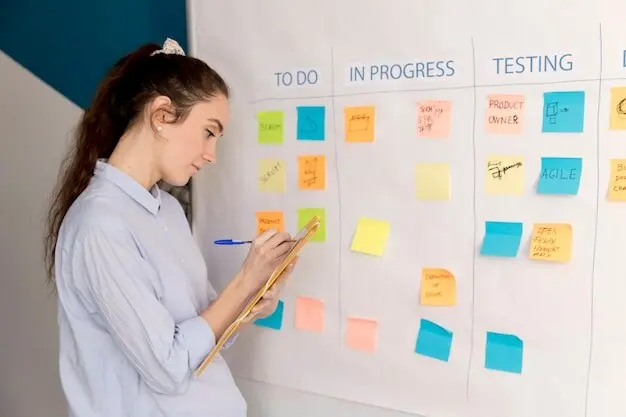
Bullet Journal Essentials
Use a future log, monthly calendar, and dailies with short, purposeful bullets. Symbols distinguish tasks, notes, and events; migration surfaces what truly matters. Avoid decoration pressure. Clarity beats flourish. A five-minute nightly sweep prepares tomorrow, closes loops, and protects sleep from background worry and scattered commitments.

Paper GTD Workflow
Capture everything quickly on one inbox page or a daily card. Clarify outcomes, decide next actions, and file by context: calls, home, computer, errands. Keep a Projects list in the front, a Waiting For list in the back. Weekly, review each quietly, renegotiating promises realistically.
Think With Your Hands
Paper invites drawings, arrows, and spatial arrangement that linear interfaces resist. When you sketch, you externalize fuzzy thinking, freeing working memory to explore possibilities. Mapping tradeoffs beside timelines reveals risks early. Because marks persist, you can revisit choices, annotate outcomes, and build a living record of reasoning.
Make It Findable Forever
Notes only matter if you can retrieve them. Build light scaffolding: a table of contents at the front, page numbers, and a simple index of recurring threads. Reference dates, decisions, and assets. For cards, use colored divider tabs. Minimal structure creates compounding value without stifling spontaneity.

Indexing That Works
Reserve two opening spreads for an evolving index. When a new thread appears—marketing strategy, fitness experiments, client X—record the label and page range. Update lightly each week. This tiny ritual turns scattered pages into a navigable map you can trust during deadlines and reviews.
Archiving Without Friction
At month’s end, clip supporting materials inside the back cover, label the spine with dates, and log the notebook in a simple catalog. Slip urgent reference pages into a binder. Retrieval should feel obvious, quick, and kind to your future self when stakes and stress rise.
Hybrid Options, Still Human
If you must digitize, keep intentions analog. Scan finished pages for backup, but plan, think, and decide on paper. Tag scans by notebook and month only. Avoid complex folders. Let digital serve search and sharing while your primary workflow remains tactile, quiet, and centered on pen strokes.
Practice Together
Habits grow stronger with company. Start a thirty-day analog sprint, compare setups, and trade lessons learned. Share photos of pages that worked, not pretty spreads. Ask questions, offer experiments, and celebrate messy progress. Subscribe for prompts, printable guides, and gentle check-ins that keep pages turning when energy dips.