Start Simple: Cards, Pens, and a Box

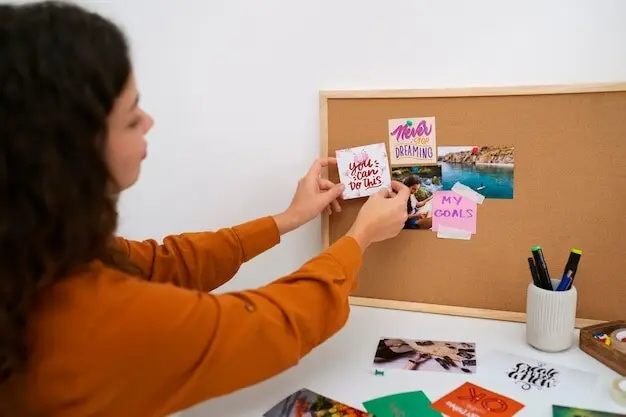
Getting started is refreshingly low-tech: sturdy index cards, a comfortable pen, and a box that invites daily use. Constraints sharpen thinking, and paper rewards attention. We’ll choose materials that encourage clarity, longevity, and quick handling, balancing portability with durability so your growing collection remains legible, tactile, and easy to revisit during busy weeks and reflective weekends alike.

Creating Atomic Notes That Stand Alone

Capture in Your Own Words

Paraphrase aggressively to absorb meaning, not just wording. Imagine explaining the idea to a curious friend; include the why, not merely the what. Write complete sentences, avoid quotes unless vital, and challenge vagueness until the card earns independence from its original source.

Context, Sources, and Citations

Record bibliographic details on the back or a dedicated citation card. Note page numbers, timestamps, or URLs. Briefly state relevance: how this connects to ongoing questions you care about. Future synthesis accelerates when provenance is trustworthy and the value proposition is explicit.

Make It Evergreen

Favor insights that will matter next month and next year. Express claims generally enough to apply beyond the immediate context, but concretely enough to be actionable. Such durable cards reduce maintenance, compound usefulness, and invite links from unexpected directions as your box matures.

Linking Cards Into Living Conversations
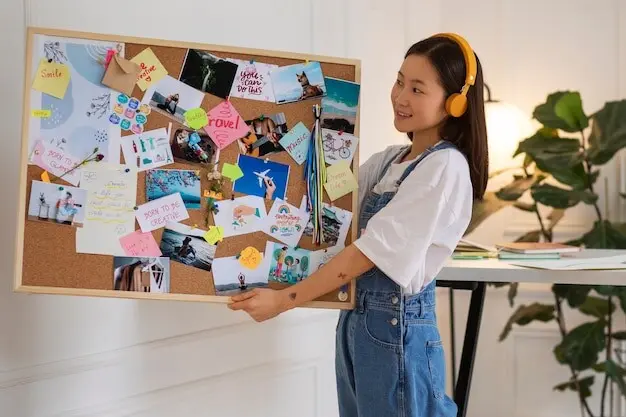
Connections are the engine of insight. Assign identifiers and add direct references so cards talk to one another. When a claim challenges, supports, or extends another, record that relationship explicitly. Over time, clusters emerge, debates deepen, and original arguments practically assemble themselves.

From Daily Capture to Permanent Insight

{{SECTION_SUBTITLE}}

Fleeting Notes That Evaporate on Time

Jot everything fast and messy on disposable paper or a temporary stack. Set a strict expiration: today or tomorrow. Processing soon after preserves intent and emotion, turning half-formed notions into candidates for durable cards before enthusiasm fades or meaning blurs.

Literature Notes with References

While reading, capture concise paraphrases tied to page numbers or timestamps. Avoid transcription; keep notes short and faithful. Later, promote only the most valuable insights into independent cards. Your bibliography remains intact, and your thinking gains clarity unburdened by unnecessary duplication.

Build a Top-Level Index That Grows

Start with a handful of broad gateways, each pointing to a few representative cards. As patterns emerge, add links to clusters and structure notes. Resist over-categorizing; prefer pathways. Your future searches will follow curiosity rather than wrestle dense filing schemas.

Structure Notes as Signposts

Create occasional cards that summarize a cluster and list key links, almost like guided tours. These notes do not replace originals; they orchestrate them. As projects shift, update summaries, preserving history while exposing new avenues that reward fresh exploration.

Smart Cross-References and See-Also

When indexing, add two-way see-also references for ambiguous terms. Example: habit formation might link to identity, environment design, and motivation. Future you benefits when alternative routes exist, reducing dead ends and revealing constructive tensions between overlapping ideas across domains.

Thinking, Writing, and Output Through the Box

Your card file is an engine for creation. Begin with a question, pull related links, and watch arguments congeal. Drafting becomes selection and arrangement, not invention from nothing. Outputs arrive faster, with citations ready and reasoning visible for future refinement.

Care, Maintenance, and Long-Term Resilience

A thriving system welcomes pruning, merging, and occasional redesign. Regular reviews surface duplicates and orphans. Protect against moisture and sunlight, consider gloves for archival ink, and set habits that keep the file lively so insights stay accessible for decades.

Community, Accountability, and Sharing
Knowledge grows stronger when exchanged. Invite peers to critique cards, swap indexes, and co-create structure notes. Publicly committing to small deliverables encourages consistency. As you share, ask for responses and subscribe-worthy updates, building a circle that fuels learning and sustained practice.

Invite Questions and Card Swaps

Post a photo of a mini-cluster, ask what is missing, and offer to mail duplicates for feedback. Comparative collections reveal blind spots and sparks. Encourage comments below, and tell us which practice helped you finally trust your index card workflow.

Newsletter for Weekly Prompts

Join our newsletter for gentle prompts, case studies, and curated reading that pairs beautifully with analog systems. Expect short exercises, new link patterns to try, and joyful nudges that keep your paper brain active. Hit subscribe and reply with your current questions.
Zentoniloravotelilaxi
Privacy Overview

This website uses cookies so that we can provide you with the best user experience possible. Cookie information is stored in your browser and performs functions such as recognising you when you return to our website and helping our team to understand which sections of the website you find most interesting and useful.