Ergonomics That Unlock Speed and Legibility

Grip that Glides, Not Grinds

Experiment with relaxed tripod or modified quadrupod grips, adjusting finger pinch height and pen angle until strokes begin smoothly at minimal pressure. Aim for contact that guides, not clamps, letting shoulders stay calm. Time a paragraph before and after; compare comfort, legibility, and speed improvements. Record a short video to spot tension spikes and celebrate progress you might otherwise miss.

Posture, Angle, and Desk Setup

Set chair height so hips slightly above knees, stack ribs over pelvis, and anchor feet. Tilt the writing surface or notebook to meet your hand, not your spine. Keep elbow supported. Notice steadier diagonals, cleaner loops, and less neck tension after ten uninterrupted minutes. Share a photo of your setup; community tips often unlock inexpensive, powerful adjustments.

Warm-Ups That Prime Your Lines

Quick drills warm ink flow and muscles before real notes. Trace figure eights, ovals, and fast diagonals across two lines, then write pangrams at varied sizes. Add wrist circles and finger flicks. Most users report smoother starts and tighter spacing within five minutes. Save a before and after sample to visualize gains and fine-tune tomorrow’s routine.

Choosing the Right Pen for Momentum

Momentum depends on friction, lubrication, and line consistency. Compare gel, rollerball, ballpoint, and fountain options across paper types you actually use. Prioritize quick-drying, low-smear inks, reliable starts, and a tip size that matches your handwriting scale and pressure pattern. Share results and favorites. Real-world pairings beat specs alone when deadlines compress attention and mistakes become expensive.

Dry Time and Left-Hand Strategies

If you smudge lines, test fast-drying gel, pigment rollerball, or lubricated ballpoint on both coated and absorbent papers. Angle pages to trail your hand, and consider under-sheets. Measure smear with a five-second swipe test, then lock in the pairing that survives your pace. Left-handers often win using top-spiral formats, quick-dry inks, and deliberate line breaks.

Tip Size, Feedback, and Control

Micro tips carve tiny text but can chatter on rough paper, while broad tips feel buttery yet may pool ink. Try fine for dense outlines, medium for lectures, broad for emphasis. Choose feedback that keeps letters controlled without forcing pressure or slowing flow. Note which size matches your typical x-height so speed and clarity rise together.

Fountain Pen Smoothness Without Smear

Tune nib alignment, feed wetness, and paper choice to prevent skipping or feathering. Use quick-dry inks, absorbent blotters, and a lighter touch. If start-up is unreliable, flush with diluted detergent, then swap converters or cartridges until lines launch instantly under pressure. Community testers reported dramatic improvements after a simple flush and a gentler writing angle.

Paper and Notebook Decisions That Matter

Match Paper Coatings to Your Ink

Highly coated sheets keep edges razor sharp yet can smear slowly with wet inks, while absorbent papers dry fast but mute vibrancy. Test with swatches, crosshatches, and timed lines, then note feathering scores. Match the combination that preserves speed without sacrificing crisp readability. Keep a small matrix card inside your notebook as a quick reference guide.

Bindings, Formats, and Page Access

Choose bindings that lie flat under your hand and allow quick flips. Top-spiral helps left-handers avoid coils, while stitched A5 keeps pages aligned in bags. Disc-bound lets you reorder easily. Evaluate how fast you can access, mark, and refile sections during hectic sessions. A simple ribbon marker often saves minutes during rapid switching and summaries.

Page Numbering, Indexing, and Wayfinding

Number pages, reserve an index, and log shorthand keys up front. Use corner triangles, tabs, and color codes to surface projects instantly. Build wayfinding habits early so review cycles stay short, decisions stay visible, and scattered insights consolidate into a coherent, retrievable record. Invite readers to share index layouts that scale smoothly over busy months.

A Rapid, Legible Alphabet You Own

Build a streamlined alphabet that favors straight paths, soft curves, and consistent entry strokes. Keep capitals simple and tall enough to signal structure quickly. Create exemplars, then copy paragraphs at different sizes. Track misreads from classmates and adjust shapes until comprehension feels automatic. Celebrate any letter that saves motion without sacrificing recognition at first glance.

Spacing, Slant, and Baseline Discipline

Anchor letters to the baseline, maintain a modest rightward slant, and let spaces breathe between words. Use ruled or dotted guides until spacing becomes intuitive. Consistent rhythm reduces hesitation and eye regressions, which accelerates capture and dramatically improves how future you rereads dense notes. Rehearse with a metronome to imprint steady tempos that resist fatigue.

Note Structures That Capture Ideas Fast
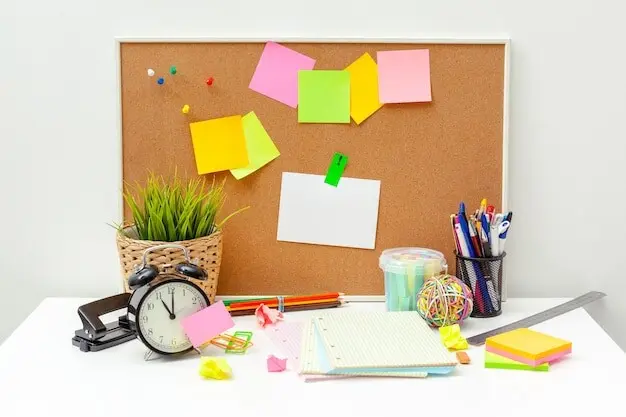
Structure turns scattered phrases into a navigable map. Use Cornell for review prompts, outlines for hierarchies, and mind maps for relationships. Reserve margins for questions and action marks. Decide upfront how to mark definitions, dates, and decisions so scanning later happens effortlessly. Share templates you trust during fast debates or complex briefings.

Personal Shorthand and Abbreviation Systems

Create a compact legend for common verbs, connectors, and technical terms. Borrow from medical or engineering shorthand, then adapt. Practice on podcasts or lectures, increasing density while protecting clarity. Over time, your marks will compress sentences into signals your brain expands instantly during review. Trade symbol lists with peers to refine efficiency further.

Live Capture in Meetings and Classes

Prepare headers before the meeting, leave cue columns for actions, and capture decisions verbatim. Use bullets that start with verbs. Mark time codes or slide numbers. When discussions accelerate, write keywords first, then fill connective tissue after. Invite teammates to confirm accuracy in real time. Conclude with a summary line that triggers immediate follow-through.

Review, Distill, and Retain in 24 Hours

Within a day, reread, clarify abbreviations, and highlight key arguments. Add summaries, questions, and next steps in the margins or an index. Spaced repetition anchors insights. Brief, deliberate rewrites of confusing sections multiply recall and make future cross-references surprisingly fast. Post your distilled one-page recap to keep yourself accountable.

Workflow, Care, and a Reliable Daily Kit

Consistency beats intensity. Assemble a light, reliable kit and maintain it on schedule so writing always feels frictionless. Standard templates, refills on hand, and quick digitization with OCR ensure ideas travel from page to system without bottlenecks. Share your packing checklist and refinements. Small routines protect momentum when energy dips unexpectedly.

Pack and Stage Your Tools the Night Before

Lay out notebook, two pens with different inks, highlighter, sticky flags, eraser, and index cards before bedtime. Stage them near the door or desk. Morning momentum increases when tools are visible, charged, and ready. Track days prepared versus productivity to validate the habit. Invite friends to join a weekly prep challenge for accountability.

Maintenance That Keeps Lines Consistent

Schedule monthly fountain pen flushes, weekly gel tests for skipping, and seasonal notebook audits. Replace tired refills early. Keep a zip bag of spares. Smooth hardware keeps handwriting predictable, which stabilizes cognitive load, lets attention stay on ideas, and protects speed under deadline pressure. Set calendar reminders so rituals never slip during crunch weeks.

Scan, Tag, and Retrieve Without Friction

Capture pages with a phone scanner, auto-arrange into folders, and apply tags that mirror notebook indexes. Enable OCR to search formulas and names. Back up weekly. When paper and digital cooperate, retrieval shrinks from minutes to seconds, and projects advance without losing context. Comment with your favorite apps and naming conventions to inspire others.

Zentoniloravotelilaxi
Privacy Overview

This website uses cookies so that we can provide you with the best user experience possible. Cookie information is stored in your browser and performs functions such as recognising you when you return to our website and helping our team to understand which sections of the website you find most interesting and useful.