Why Analog Still Outperforms the App

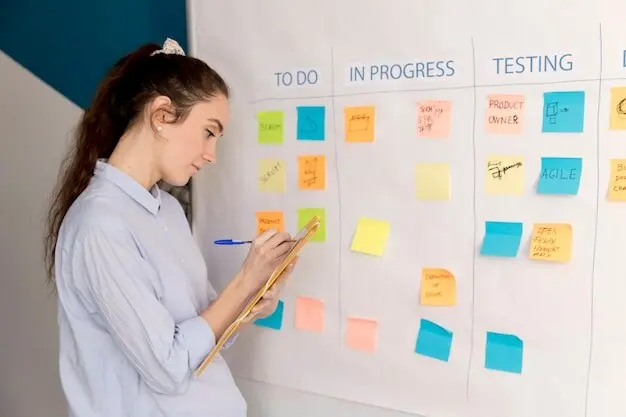
When your plans live on paper, they become visible, finite, and oddly persuasive. Writing by hand slows thinking just enough to clarify intent, while the absence of pings preserves attention during crucial stretches. Many discover fewer decisions, less cognitive thrash, and more momentum, because commitment looks and feels different once it is written in ink beside an honest boundary.

Focus Without Notifications

Silence is a superpower, and paper naturally grants it. With no badges, banners, or unpredictable pop-ups, you choose when to look and what to change. This deliberate cadence encourages deeper concentration, makes context switches rarer, and helps you notice when you are negotiating with yourself instead of honoring the promise you already placed on the page.

Memory and Decision Quality

Handwriting engages embodied cognition, helping ideas stick and choices mature before they are scheduled. Research has long suggested that writing by hand can deepen processing and recall, which matters when prioritizing difficult tasks. The friction of pen on paper nudges you to question assumptions, compare trade-offs, and commit thoughtfully, rather than tapping impulsively through endless digital toggles.

Designing Your Time Blocks

Great schedules start with anchors—fixed commitments that shape the day—followed by generous buffers and honest work capacities. A paper grid prompts realism you cannot easily ignore. Think in clusters of related effort, protect attention with clear edges, and leave breathing space to absorb uncertainty. Over time, your layout becomes a map that actually predicts reality.

01

Set Anchors and Boundaries

Mark immovable times first: meetings, school runs, focused care, or routines that give structure. Then define where deep work can live, ensuring reliable start points and intentional stop points. Boundaries are not fences against ambition; they are guardrails that reduce decision fatigue and turn promises into predictable results without demanding unsustainable intensity every single hour.

02

Batch Similar Work

Group emails, calls, and administrative tasks into shared blocks to avoid mental gear grinding. Context remains stable, transitions get shorter, and progress compounds quietly. On paper, these clusters are visible and persuasive, discouraging scattered multitasking. You will notice fewer half-finished threads and more completed loops, because related actions finally live together instead of fighting for attention.

03

Build Buffers and White Space

Plans fail where margins vanish. Add buffers before and after demanding sessions to handle surprises, reset energy, and record quick notes. White space is not wasted time; it is recovery and calibration. When interruptions arrive, your plan flexes instead of shattering, and emotional turbulence eases because you anticipated detours and invited them into a humane schedule.
Daily Planning Rituals That Stick

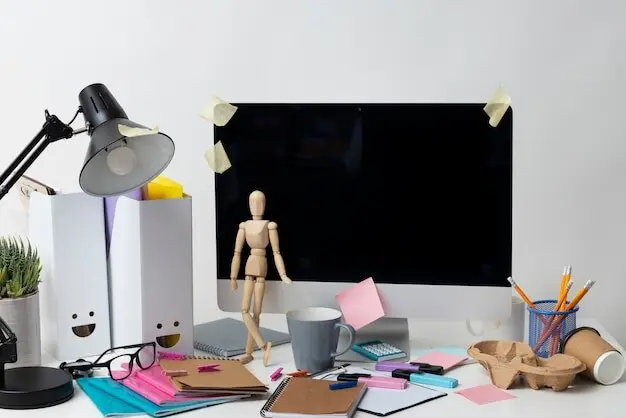
Consistency grows from simple, repeatable rituals. A brief morning setup aligns intent with available energy. A midday check-in keeps expectations honest. An evening reset moves unfinished work forward gracefully. Done on paper, these moments become tactile cues, turning drifting days into steady arcs, while preserving the human warmth of reflection that purely digital dashboards often miss.
Begin by reviewing anchors, choosing one outcome that would make today worthwhile, and penciling realistic blocks around energy peaks. Note a single constraint to respect—perhaps a hard stop or wellness commitment. This five-minute ritual prevents overstuffing, ensures purpose leads the plan, and gives you something clear to defend when unexpected opportunities demand immediate attention.
Halfway through, compare intention with what actually happened. Where did time leak? Which block ran long? Adjust the afternoon deliberately, not guiltily, and capture lessons for tomorrow. This quick calibration, done with pen and an honest glance, restores control, reduces silent frustration, and keeps your best hours aligned with the outcomes you truly value most.

Layouts and Tools That Make It Easy

Choose tools that invite use rather than intimidate with complexity. A simple notebook, a weekly spread, or a stack of index cards can outperform ornate systems if they reduce friction. Paper rewards iteration: draw columns, add cues, and let smudges teach you. The best layout is the one you will happily touch every single day.

Real Stories from the Desk

Tactics matter more when breathing through real days. These snapshots show how small analog shifts turn messy schedules into steady progress. Each person began overwhelmed, then learned to right-size blocks, protect energy, and recover quickly from derailments. Their pages look different, yet the common thread remains gentle honesty about limits and fierce loyalty to priorities.

Freelancer Reclaims Afternoons

A designer kept losing afternoons to messages. She created two communication blocks and protected a three-hour deep work span with clear inked edges. Within a month, delivery times tightened, revisions decreased, and evenings softened. The paper plan did not add hours; it simply stopped leaking them, turning scattered urgency into persuasive, predictable momentum.

Student Turns Chaos into Calm

A graduate student juggled labs, seminars, and applications. Using a weekly compass and daily grids, she batched reading before lunch and reserved analysis for late afternoons. Interruptions still happened, but buffers absorbed them. Grades improved, stress fell, and sleep returned, because capacity finally matched commitments on a page that demanded sincere realism.

Troubleshooting and Staying Flexible

No plan survives unaltered, so design for resilience. Expect overruns, note energy dips, and normalize revising blocks midstream. On paper, edits are transparent, teaching you about patterns rather than hiding them behind clicks. Flexibility here is principled, not chaotic: you adapt without abandoning priorities, keeping progress humane when unpredictability inevitably knocks at the door.

Accountability that Encourages

Pair with a friend for a five-minute weekly check-in. Exchange photos of next week’s layout and name one protective boundary you will defend. Keep it positive and specific. Gentle accountability nudges consistency without shaming, while the visible page sparks practical feedback that apps rarely prompt because screenshots conceal the human judgment behind choices.

Iterate with Metrics

Track only a few metrics on paper: protected deep work hours, buffer usage, and one energy rating. Review trends each Friday and adjust block sizes accordingly. When metrics live beside your schedule, they influence behavior naturally, turning reflection into action and ensuring progress compounds quietly through many realistically planned, humane weeks.

Invite Conversation and Community

Share your favorite layouts, hard-earned lessons, and honest missteps in the comments. Ask readers for their paper-based time blocking tweaks, morning rituals, and recovery practices. Subscribe for weekly prompts, printable grids, and story-driven case studies. Together we will refine approaches, protect what matters, and build momentum that feels calm, sustainable, and genuinely self-directed.
Zentoniloravotelilaxi
Privacy Overview

This website uses cookies so that we can provide you with the best user experience possible. Cookie information is stored in your browser and performs functions such as recognising you when you return to our website and helping our team to understand which sections of the website you find most interesting and useful.